
Trade Journaling Best Practices: What to Log for Maximum Impact

Journaling trades is a crucial aspect of building your edge as a trader, but many traders struggle to maintain a consistent and effective journaling habit. Trade journaling, when done properly, can significantly enhance your understanding of your trading performance and identify areas for improvement. However, the lack of a structured approach often leads to frustration and abandonment.
What to Log: Beyond the Basics
While it's essential to record basic trade information such as entry and exit points, position size, and profit/loss, a more detailed approach can reveal valuable insights. Consider logging additional metrics like market conditions (e.g., trending, ranging, volatile), trade type (e.g., scalping, swing trading, day trading), and emotional state at the time of the trade. This comprehensive data can help you recognize patterns and correlations that might not be immediately apparent.
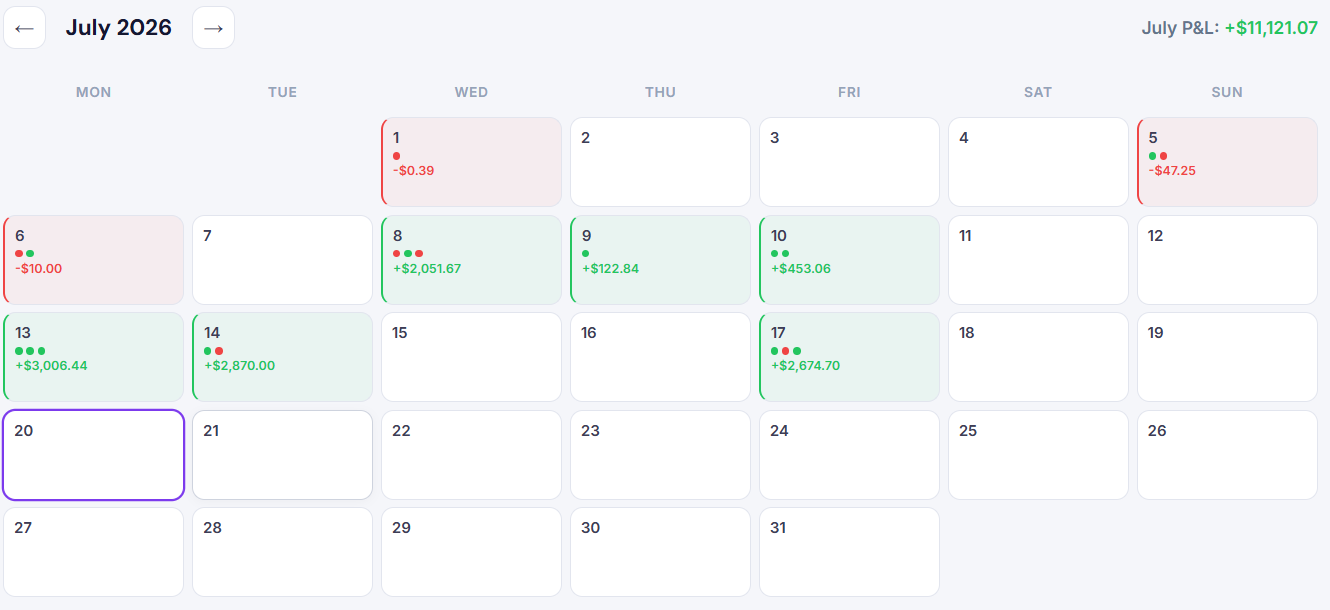
Auto vs Manual Journaling: Weighing the Options
The debate between automatic and manual trade journaling largely depends on personal preference, trading style, and the complexity of your strategy. Automatic journaling tools can streamline the process, reducing the time and effort required to log trades, while also minimizing the potential for human error. On the other hand, manual journaling can foster a deeper understanding and connection with your trades, as you're forced to reflect on each trade individually. Ultimately, the choice between auto and manual journaling should be based on what best complements your trading routine and goals.
The Metrics That Matter: Focusing on Key Performance Indicators
When it comes to evaluating your trading performance, it's crucial to focus on the metrics that matter most. Key performance indicators (KPIs) such as win/loss ratio, average trade duration, and maximum drawdown can provide a more nuanced understanding of your trading. By tracking these metrics over time, you can identify trends, pinpoint areas for improvement, and adjust your strategy accordingly. A tool like an automatic trade journal can simplify the process of tracking these KPIs, allowing you to concentrate on refining your approach.
Common Pitfalls: Why Traders Quit Journaling
- Inconsistent logging: Failing to maintain a regular journaling schedule can lead to incomplete data and a lack of meaningful insights.
- Insufficient detail: Recording only basic information can limit the usefulness of your journal, making it difficult to identify patterns and areas for improvement.
- Overemphasis on performance metrics: While metrics like profit/loss are important, they shouldn't be the sole focus. Neglecting to log other relevant data can result in an incomplete understanding of your trading.
The Bottom Line
Effective trade journaling is about creating a structured and consistent process that provides actionable insights into your trading performance. By focusing on key metrics, avoiding common pitfalls, and leveraging the right tools, you can unlock the full potential of journaling and take a significant step towards building your edge as a trader. Remember, the goal of journaling is not merely to record trades but to use data-driven insights to refine your strategy and achieve long-term success.