
TradeZella Alternatives: How to Choose the Right Trading Journal for Serious Retail Traders

TradeZella alternatives: how to choose the right trading journal
When you start evaluating TradeZella alternatives, the first step is to define the core capabilities you need from a trading journal. A good journal does more than store a list of trades – it automatically records every order, calculates discipline metrics, and makes the data replayable for post‑trade analysis. The rest of this guide walks through the exact criteria to compare, highlights common blind spots, and shows where Tim Edge naturally aligns with the most demanding retail traders.
What core functions should a trading journal provide?
Even seasoned traders agree on a handful of non‑negotiable features. If a platform lacks any of these, the journal will quickly become a spreadsheet you ignore.
- Automatic trade capture – manual entry is error‑prone; the journal should pull fills directly from the broker or API and timestamp each order.
- Behavioural analytics – metrics that surface discipline gaps (e.g., trade clustering, size creep, deviation from a plan) turn raw data into actionable insight.
- Replayable market data – the ability to step through a trade on the exact tick‑level tape lets you see why a decision felt right at the time.
- Customizable reporting – you need to slice the data by instrument, time‑frame, or strategy without rebuilding the report each week.
- Scalable pricing – as your volume grows, the cost per trade should not explode, otherwise the journal becomes a cost centre.
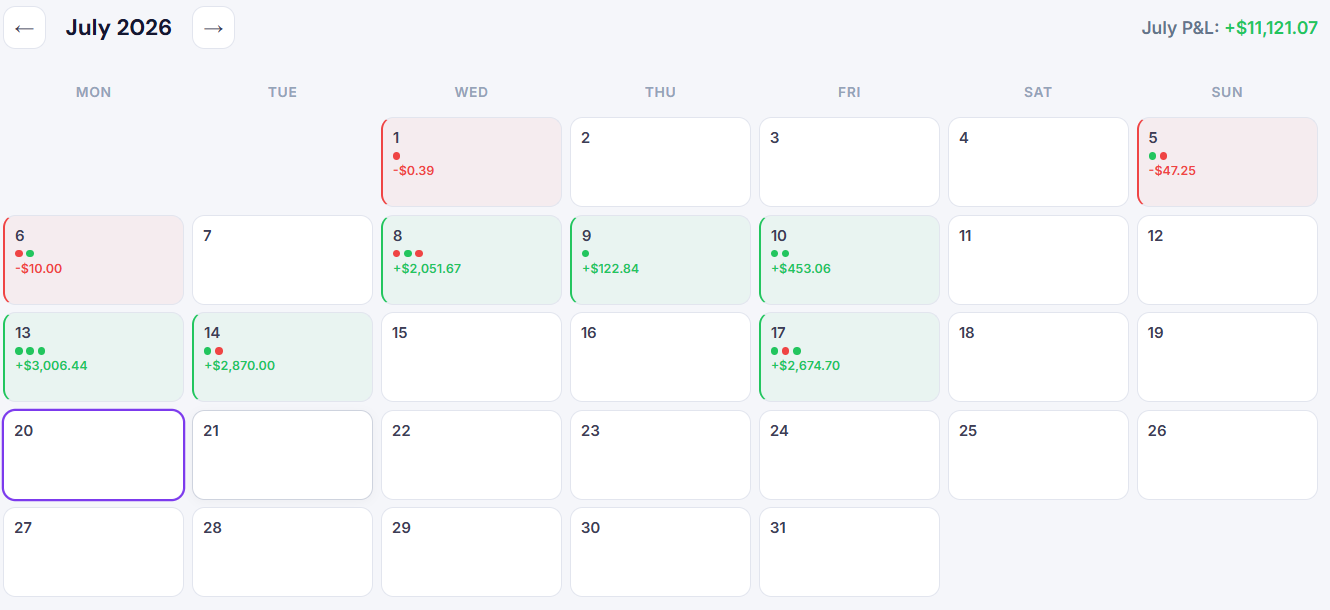
How to evaluate the quality of behavioural analytics
Behavioural analytics are the bridge between raw execution data and a trader’s mental model. Look for these specific signals:
- Discipline score – a composite of on‑time stop‑loss placement, adherence to position‑size rules, and avoidance of revenge trades.
- Consistency index – measures variance in win‑rate and average R‑multiple across days; high variance often signals emotional trading.
- Trend‑drift detection – flags when a trader’s average trade size or risk per trade drifts upward over a rolling window.
If the platform only shows a flat win‑rate number, it fails the behavioural test.
TradeZella vs. other popular journals – a side‑by‑side look
| Feature | TradeZella | Competitor A | Competitor B | Tim Edge |
|---|---|---|---|---|
| Automatic trade import | Yes (limited brokers) | Yes (full API) | No (manual only) | Yes (browser‑based, no extra setup) |
| Behavioural metrics | Basic win‑rate, P/L | Advanced discipline dashboard | None | Discipline & consistency tracking built‑in |
| Tick‑level market replay | None | Partial (candle‑level) | None | Full replay with detections journaled |
| Custom reports | Template only | Fully customizable | Template only | Report builder |
| Pricing (monthly) | $12 | $15 | $8 | $19 (Pro) |
The table makes it clear which platforms deliver the depth of data needed for serious edge building. Tim Edge, while priced a bit higher, bundles behavioural analytics with a live order‑flow terminal, making the journal a single source of truth.
Common pitfalls when switching journals
Changing tools is tempting, but many traders stumble on the same issues:
- Data migration gaps – if the new journal cannot import historic CSVs, you lose years of performance history.
- Feature overload – a platform packed with exotic charts can distract from the core journal function.
- Latency in data capture – delayed import means you cannot replay the exact market conditions that triggered a trade.
Mitigate these by testing the import process with a small sample of past trades and confirming that the timestamps match your broker’s records.
Where Tim Edge fits into the comparison
Tim Edge positions itself as an all‑in‑one platform: automatic journaling, behavioural analytics, and a live order‑flow terminal called Flow. For traders who already use a separate charting package, the biggest advantage is that every detection – icebergs, absorption, stop runs – is automatically logged and can be replayed in Market Replay. This eliminates the manual note‑taking step that most alternatives require.
Because Flow covers Bitcoin and Gold, you get a liquidity heatmap, footprint chart, and volume profile without adding a third‑party data feed. The price you pay includes sub‑second algo deployment, so if you ever move from discretionary to automated strategies, the transition stays within the same ecosystem.
Step‑by‑step checklist for picking a TradeZella alternative
- List the instruments you trade (e.g., futures, crypto, metals) and verify the journal supports automatic import for each.
- Map the behavioural metrics you rely on – discipline score, consistency index, drift detection – and confirm the platform provides them out of the box.
- Test the market‑replay feature with a recent trade. The replay should show the exact order‑book dynamics (price, volume, delta) at the moment you entered.
- Check pricing tiers against your monthly trade volume. Calculate cost per trade to avoid hidden escalation.
The bottom line
Choosing a TradeZella alternative boils down to three questions: does the journal capture every trade automatically, does it surface behavioural insights that matter, and can you replay the market exactly as it unfolded? Platforms that miss any of these will leave you with data you can’t trust. Tim Edge checks all three boxes while adding a live order‑flow terminal, making it a strong contender for traders who want a single, integrated solution.